Immune System and Nutrition: A Close Link
Choosing correctly what to eat is essential for our metabolic health; the food we put on the table also strongly influences our immune defenses.
Having an efficient immune system is essential to protect ourselves from diseases and infections. This is always true, but even more so in a period of health emergency like the one we are living through.
The most important defense we have against viruses, in the absence of drugs, is our immune system. It is well known that nutrition plays an essential role in the development and maintenance of the immune system. On the one hand, nutritional deficiencies can compromise the immune response and make a person more exposed to infections. On the other, a good nutritional status can prevent the onset of disease and immunosuppression.
Resistance to infections can be improved by providing the body with antioxidants, molecules that help defend against the attack of harmful agents and against oxidative stress (a process that leads to the formation of free radicals, that is, harmful molecules). The most powerful antioxidants are:
- Glutathione: produced by our body, it is also found in some plant foods including asparagus, avocado, spinach, peaches and apples. There are also foods that can stimulate the production of Glutathione, including those rich in Selenium: herring, sardines, egg yolk and mustard, garlic, onion, red-colored fruit and vegetables, milk and meat;
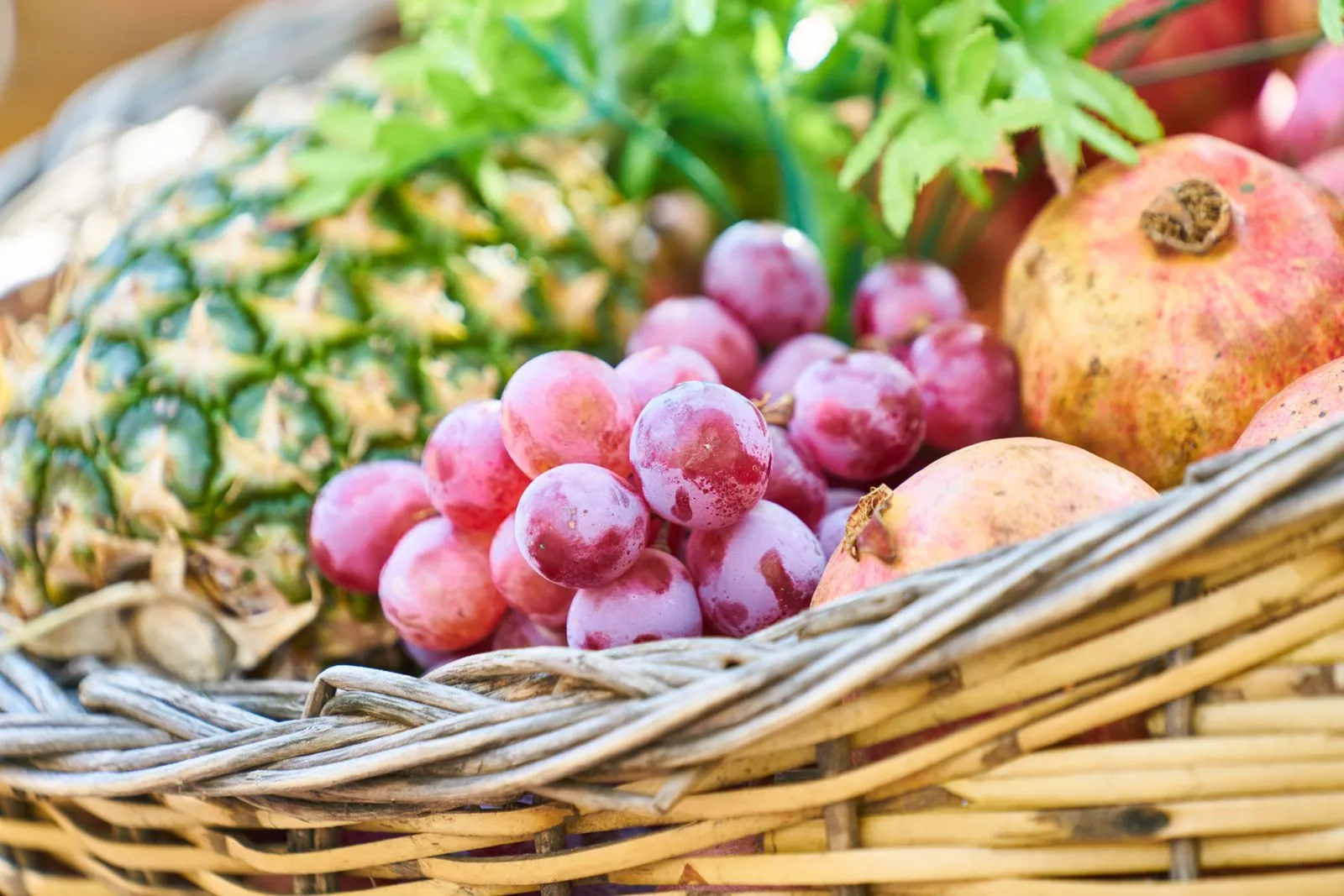
- Vitamin C: the main sources are lemon and the whole category of citrus fruits, coriander and chives, grapes, bell peppers, chili pepper, blackcurrant, fresh thyme, parsley, arugula, cruciferous vegetables (cabbage, turnip greens, savoy cabbage, broccoli), strawberries and kiwi;
- Vitamin E: it is abundant in vegetable oils, especially good-quality extra virgin olive oil, avocado, hazelnuts, peanuts, whole grains, sunflower seeds, almonds, curry, oregano, avocado, kiwi;
- Vitamin D: the richest animal-based foods are cod liver oil, fatty fish (mackerel, sardines, tuna and salmon), shrimp, egg yolk, cheese and butter. Mushrooms are the only plant source;
- Beta-carotene (a precursor of Vitamin A): it is found mostly in cod liver oil, liver, chili pepper, carrots, dried apricots, pumpkin, parsley, ripe tomatoes, broccoli and kale”.
There are also other micronutrients that help keep the immune system efficient and ready to react to external “aggressions”, namely:
- Vitamin B6, found in whole grains and whole-grain flours, avocado, spinach, broccoli, nuts;
- Vitamin B12 in eggs, milk and cheese, shellfish and fatty fish;
- Selenium and Zinc, metals that are important for their antioxidant activity, found in fish and meat, wheat and oats, legumes;
- Iron (in beef, eggs, lentils, anchovies, sardines, tuna) and Copper (found in liver, mushrooms, lentils, almonds) for their role in cellular immunity and in the production of antibodies (that is, proteins produced by the immune system that can recognize and neutralize foreign and dangerous agents);
- Glutamine: an amino acid essential for the synthesis of Glutathione (in eggs, rice and milk);
- Arginine: an amino acid found in nuts, eggs, fish, meat and legumes.
Strong immune defenses also depend on a healthy gut, so it is important to keep the gut healthy. The relationship between how effectively the immune system responds and the health of the gut microbiota has long been known. To keep the gut in balance (eubiosis) it is necessary to regularly eat so-called probiotic foods (microorganisms, mostly bacteria, that are living and active).
Natural sources of probiotics are:
- yogurt;
- sauerkraut;
- tempeh;
- fermented soy.
To live and thrive, probiotics need proper nourishment, namely prebiotics, indigestible dietary fibers (FOS), found in particular in some foods:
- leek;
- garlic;
- onion;
- beans;
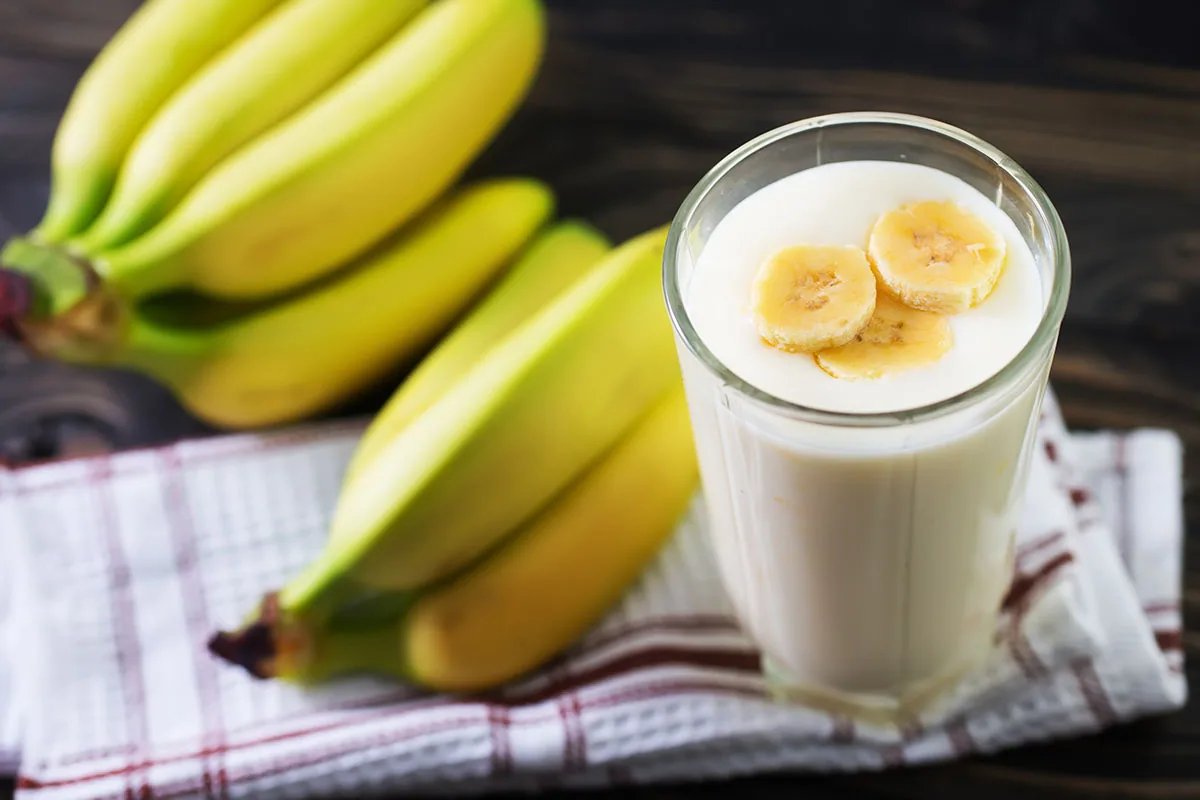
- bananas;
- wheat flour.
SAMPLE DIET
Throughout the day, drink water with a few drops of lemon (1 lemon per 1.5 liters of water)
Breakfast: 1 whole plain yogurt with 150 g of kiwi + 50 g of toasted bread dressed with oil and orange marmalade
Lunch:
Red cabbage salad dressed with oil and lemon, 50 g of toasted bread with oil, 2-egg omelet with spinach. Drink water and lemon at the end of the meal
Dinner:
70 g of pasta with broccoli, sautéed in a pan with oil, garlic, chili pepper and anchovies.
If needed, you can have 2 snacks with fresh fruit and nuts; for example 15 almonds and 150 g/200 g of strawberries