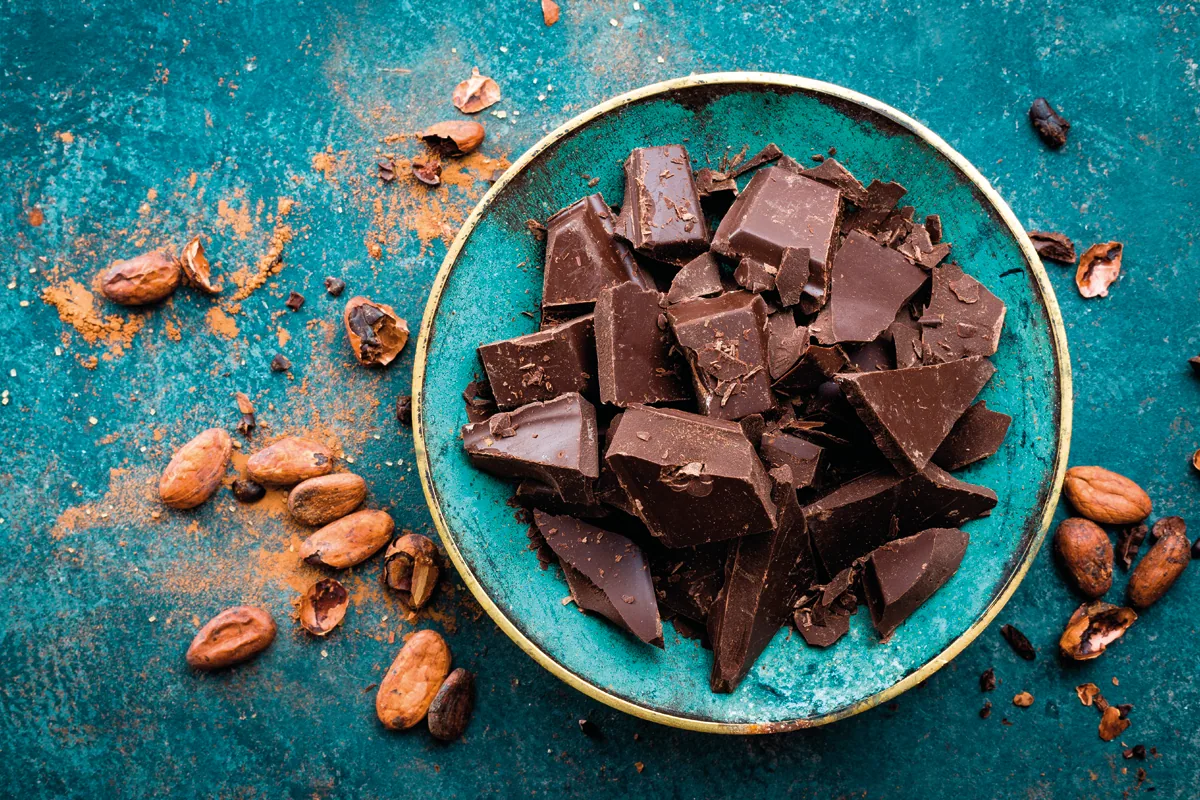
Fall Fruit and Sport: Pomegranate, Persimmon, Grapes and Chestnuts
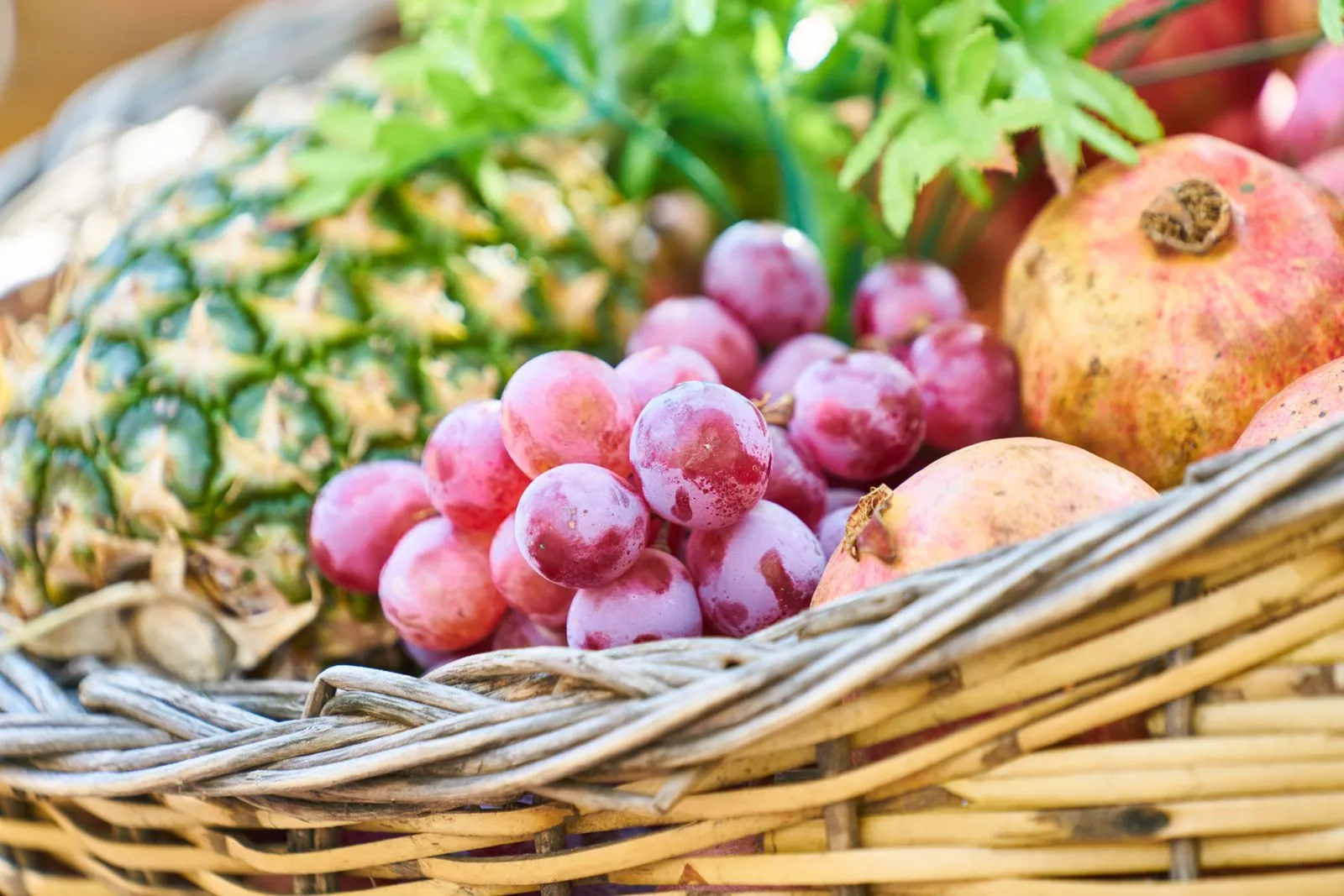
November is the month when the market stalls change color: peaches and melons disappear and pomegranates, persimmons, chestnuts, kiwis, apples and pears arrive, along with the last bunches of grapes and the first clementines. For active people this is good news, because seasonal fruit is a simple and tasty way to put carbohydrates, water, fiber, vitamins and minerals on the table, right when the days get shorter and workouts often move to the dark or indoors.
We have already seen why it’s worth choosing seasonal fruit and vegetables. This time we get into the details: which fruits are typical of fall, what they offer when you train and, above all, how and when to eat them in relation to your session.
Why fruit is an ally when you train
Fresh fruit contains mostly water and simple sugars (glucose, fructose, sucrose), that is, ready-to-use energy. On top of that come fiber, potassium, vitamins and a wide variety of plant compounds, such as polyphenols and carotenoids, which give fruit its colors.
Guidelines for healthy eating recommend eating several servings of fruit and vegetables every day, varying the colors as much as possible. For a recreational athlete, fruit also has a practical advantage: it is easy to carry, needs no preparation and works very well as a snack before or after your workout.
Fall fruits, one by one
Pomegranate
The ruby-red seeds of the pomegranate are rich in water, potassium and fiber, and above all in polyphenols, the pigments responsible for their intense color. They have a fresh, slightly tart flavor that goes well with both sweet and savory: on top of yogurt, in a grain salad or to add color to a plate of legumes.
A practical tip for getting the seeds out without making a mess: cut it in half and tap the skin with the back of a spoon, holding it upside down over a bowl.
Persimmon
The persimmon is one of the sweetest fruits of the season: it contains quite a lot of sugars and, compared with other fruits, provides a little more energy for the same weight. Its orange color comes from carotenoids, including beta-carotene, a precursor of vitamin A. For those who train it is an excellent source of quick energy, as long as you choose it very ripe and don’t overdo the quantity: one fruit is already a generous portion.
Grapes
The last bunches of fall are a source of simple sugars and water, and therefore of easily available energy. The skin, especially in dark varieties, contains polyphenols. It’s a convenient snack to carry in your bag, but it’s easy to lose count of the grapes: better to decide the portion beforehand, for example a small bowl.
Chestnuts
Chestnuts are a special case. From a nutritional point of view they are more like a grain than a fruit: they are rich in starch, that is, complex carbohydrates, contain fiber and potassium and are low in fat, unlike walnuts and hazelnuts. That is why they should be considered a carbohydrate source in the meal, not an “extra” to add on top of pasta or bread. Boiled or roasted, with a plate of legumes or in a soup, they make an excellent meal after a demanding workout.
Kiwi, apples, pears and the first citrus fruits
Between October and November kiwis arrive too, along with clementines and mandarins, all known for their good vitamin C content, which contributes to the normal function of the immune system. Apples and pears, on the other hand, are the queens of convenience: they keep for a long time, can be eaten anywhere and, thanks to their fiber, help you feel full.
Before your workout: light energy
In the hour or hour and a half before your session, the goal is to have energy available without weighing down your stomach. Fresh fruit works well, with a few precautions:
- choose ripe, easily digestible fruits, such as a very ripe persimmon, a pear, a small bowl of grapes or a banana;
- if your gut is sensitive, avoid large amounts of very fiber-rich fruit right before running or intense workouts;
- pair the fruit with a small source of complex carbohydrates, such as a slice of bread or a couple of rice cakes, if the session is long.
You’ll find more ideas in our examples of functional pre- and post-cardio workout snacks.
After your workout: recovering with flavor
After the effort you need carbohydrates to restore your energy stores, protein for your muscles and fluids to rehydrate. Fall fruit helps cover the carbohydrate and water part, and pairs easily with a protein source:
- plain yogurt with pomegranate seeds, oat flakes and a few walnuts;
- a glass of milk or plant-based drink with a chopped apple or pear;
- a hot legume and chestnut soup, with a drizzle of raw extra virgin olive oil.
When it’s cold outside, a hot dish is a pleasure too: we talked about it in the article on how to train in the cold.
Example of a day with fall fruit
Breakfast: plain yogurt with oat flakes, pomegranate seeds and a few walnuts.
Mid-morning snack: a kiwi or two clementines.
Lunch: pasta and chickpeas, seasonal vegetables and a pear.
Pre-workout (afternoon): a ripe persimmon or a small bowl of grapes with a slice of bread.
Dinner after your workout: legume and chestnut soup, eggs or fish, fennel and orange salad.
Quantities should be adapted to age, sport practiced, training volume and personal goals; if you have conditions such as diabetes, or special needs, it’s best to talk to your doctor or a nutritionist.
In short
Fall is not a poor season for fruit, quite the opposite: pomegranate, persimmon, grapes, chestnuts, kiwis, apples and pears offer energy, water, fiber and vitamins in many different forms. Bringing them to the table every day, choosing the right moment in relation to your workout, is a simple way to support performance and recovery, along with good rest and a balanced diet. And if you want to know how to best combine them with your workouts, Eathlon can help you build a meal plan personalized to the sport you play.