Training in the Cold: Nutrition, Warm-Up and Recovery
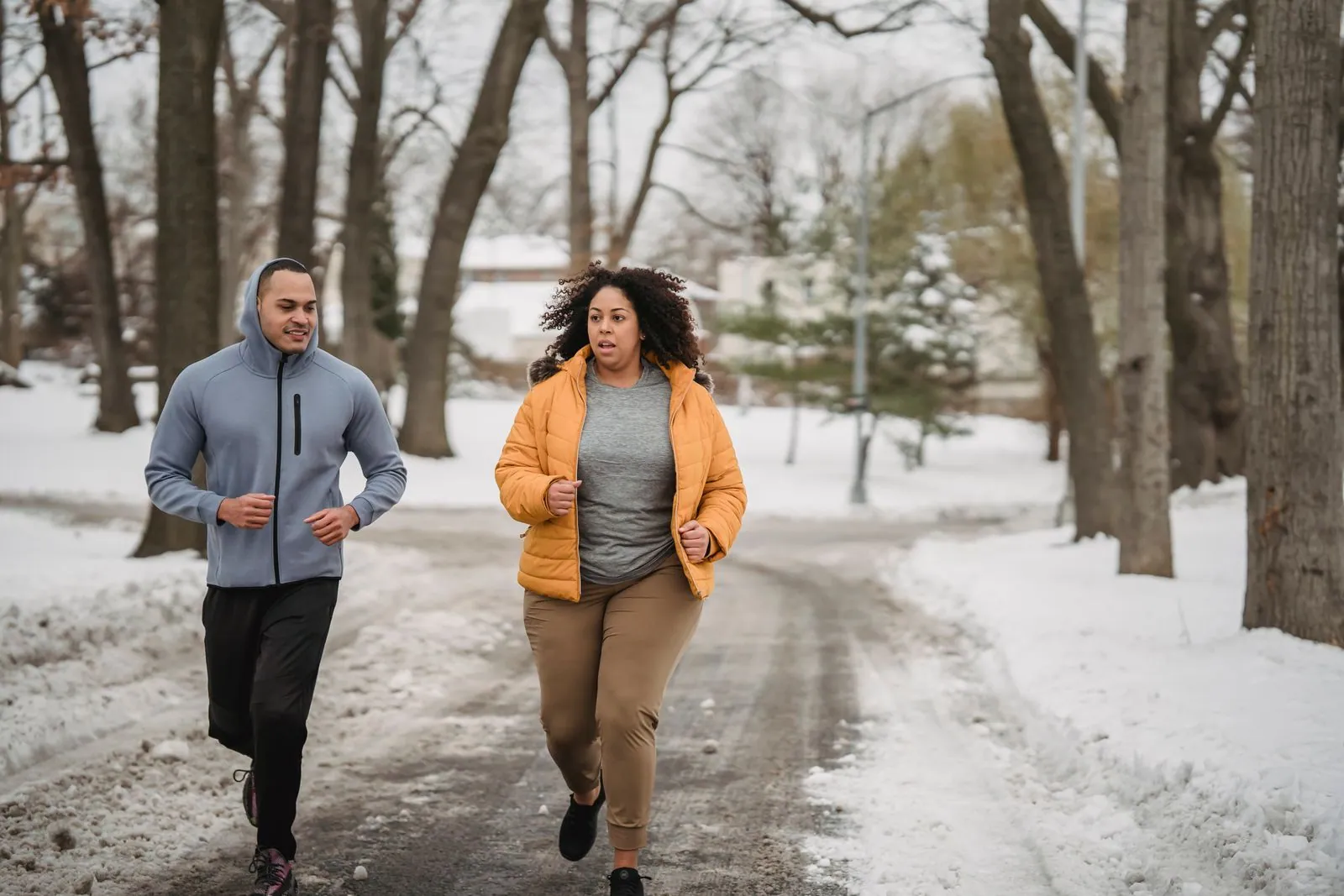
As fall arrives, the days get shorter, temperatures drop and the desire to head out for a workout, especially early in the morning or in the evening after work, falls along with the thermometer. Yet running, cycling or doing a circuit at the park in the cold months is possible and even enjoyable: you just need a few more precautions than in summer.
The cold, in fact, changes the way our body works: muscles take longer to warm up, the feeling of thirst fades and recovery needs a bit more attention. So let’s see how to organize nutrition, warm-up and recovery so you can train well even when it’s cold outside.
What happens to your body when you train in the cold
When the outside temperature is low, the body concentrates heat in the vital organs and reduces blood flow to the extremities. The result is that muscles, tendons and joints start out stiffer and are less ready to handle intense effort in the first few minutes.
At the same time, cold air is often dry too: we lose water through breathing without noticing, and sweat, hidden under several layers of clothing, is less noticeable. That is why in winter we tend to drink less than we should, even though we keep losing fluids.
Nutrition: what to eat before and after your workout
In the cold months you don’t need to overhaul your diet, but a few choices can help you handle the session better and recover faster.
Before your workout
- Don’t train after many hours without eating: a light snack 60-90 minutes beforehand, based on easily digestible carbohydrates, gives you the energy you need. For example a slice of bread with a thin layer of honey, a banana or a couple of rice cakes with jam.
- If you train early in the morning, even a small breakfast (yogurt with fruit, or a cup of tea with a few rusks) is better than nothing.
- It’s best to avoid large, fatty meals in the hours right before: they slow digestion and make the session feel heavier.
For a few more ideas, we have collected several examples of functional pre- and post-cardio workout snacks.
After your workout
- Within a couple of hours it’s important to eat a meal that contains carbohydrates, to restore your energy stores, and protein, to help your muscles recover.
- In winter a hot dish is a pleasure too: a legume and grain soup, a pumpkin cream soup served with whole-grain bread and eggs, or pasta and chickpeas.
- A hot drink (tea, herbal tea, milk or plant-based drink) helps you rehydrate and warm up after you get back inside.
The season on your plate
Fall and winter offer valuable foods for active people. Citrus fruits and kiwi are rich in vitamin C; cabbages, broccoli, spinach and chard provide vitamins, minerals and fiber; pumpkin and carrots are sources of carotenoids; chestnuts and legumes supply carbohydrates and energy. Varying seasonal fruit and vegetables as much as possible remains the simplest way to meet your needs: we also covered this in our article on winter vegetables.
With fewer hours of daylight, we are also exposed less to the sun, which is the main source of vitamin D. Training outdoors in the middle of the day, when possible, is a small extra advantage. If you have doubts about possible deficiencies, the right move is to talk to your doctor before turning to supplements.
Hydration: drink even when you’re not thirsty
It’s one of the most common mistakes in winter. A few practical tips:
- drink a glass of water before heading out, even if you’re not thirsty;
- for outings longer than an hour, bring a water bottle: room-temperature or slightly lukewarm water is more pleasant than cold;
- after your workout, replenish fluids a little at a time, including with broths, herbal teas or fresh-squeezed juices;
- check the color of your urine: if it’s dark, it’s a sign that you’re drinking too little.
Warm-up: longer and more gradual
In the cold, the warm-up is not optional. It’s worth devoting at least 10-15 minutes to it, a few minutes more than in summer, starting very lightly and increasing the intensity little by little.
- Start indoors: a few minutes of joint mobility at home (circles of the shoulders, hips and ankles) lets you head out already more prepared.
- Brisk walking and slow running: 5-8 minutes to gradually raise your body temperature.
- Dynamic exercises: skips, butt kicks, walking lunges, leg swings. Avoid static stretching on cold muscles instead.
If you’re looking for a ready-made sequence, you’ll find several warm-up exercises for legs and glutes to add to your routine.
Clothing: the three-layer rule
Overdressing is as much a mistake as underdressing: after a few minutes you sweat, your clothes get wet and, as soon as you slow down, you feel even colder. The solution is to dress in layers:
- a layer against the skin in breathable technical fabric, which wicks sweat away;
- a light middle layer that retains heat;
- a windproof outer layer, and waterproof if necessary.
Let’s not forget the head, hands and neck, where a lot of heat is lost: a beanie, light gloves and a neck gaiter make a difference. A good rule is to head out feeling a little cool: after 10 minutes of activity the perceived temperature will be just right. And with darkness arriving early, garments with reflective details or a small light add to your safety.
Recovery: change right away and don’t underestimate rest
The most delicate moment of winter training is often the end. As soon as you stop, the sweat cools and the body loses heat quickly. That is why it’s a good idea to:
- cool down with a few minutes of slow running or walking, instead of stopping abruptly;
- get back inside and change right away into dry clothes, saving your stretching for then, to do somewhere warm;
- take a lukewarm shower, not a scalding one;
- give sleep the space it deserves, which is essential for muscle recovery and for the immune system.
If conditions are prohibitive (strong wind, ice, very low temperatures) there’s nothing wrong with moving your workout indoors: a bodyweight circuit at home can easily replace the outdoor session. And anyone with heart or respiratory problems, or exercise-induced asthma, should talk to their doctor before training in the cold.
In short
Training in winter is a matter of organization: a light snack beforehand, a gradual warm-up, layered clothing, good hydration and a complete meal afterward. Small precautions that let you stay consistent even in the coldest months, when it’s easiest to lose your rhythm.
Every sport and every person has different needs, though: with Eathlon you can get a meal plan built around the sport you play, your training schedule and your goals, so you arrive in spring in great shape without giving up your winter outings.