Dark Chocolate Helps You Lose Weight!
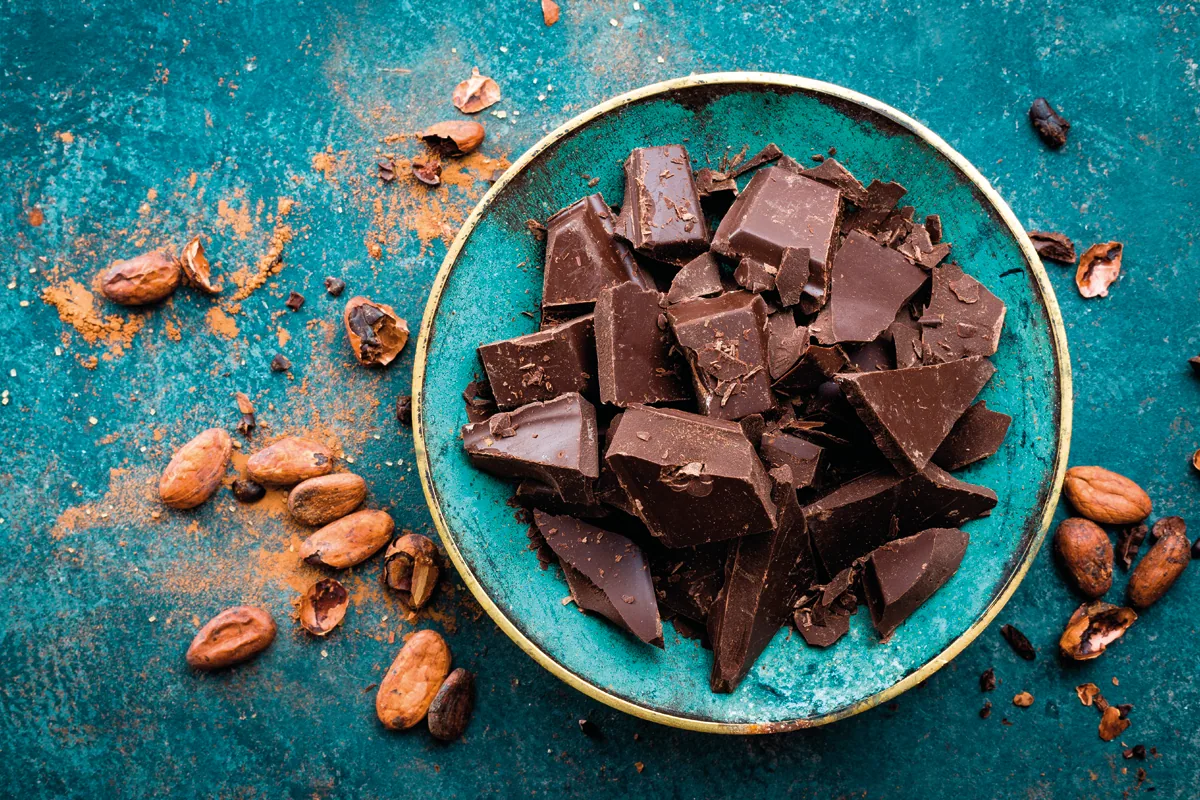
Do you love chocolate and just can’t do without it? Don’t worry, nutrition science is on your side! Did you know that 20 grams of dark chocolate a day (ideally as part of a personalized diet therapy) can make weight loss easier? Slimming effects, thanks to dark chocolate (at least 80%), can be boosted by 10%. It’s not science fiction or false hope but pure science and food chemistry.
So besides helping release endorphins (responsible for a good mood) and reducing stress, dark chocolate is a friend to your figure and shouldn’t be put on the blacklist of forbidden foods. Of course, you shouldn’t overdo the quantities, both to avoid the opposite effect (weight gain) and to avoid developing a real dependence, since it is a food capable of causing one, just as happens with alcohol or other substances.
On the other hand, milk chocolate, white chocolate or the chocolate found in snacks and assorted sweets, however tasty they may be, are not at all beneficial for those who want to lose weight. Milk and white chocolate, besides being poorer in flavonoids, also have an energy content 10-15% higher and contain small amounts (15-35 mg) of cholesterol, which is absent in dark chocolate.
How do you recognize dark chocolate, the one richest in antioxidants? The cocoa percentage is always shown on the label and, in the case of the extra-dark variety (also known as black or bitter), it is usually clearly highlighted all over the packaging.
In quantitative terms, the flavonoid content of dark chocolate comes close to that of berries (the antioxidant foods par excellence), while in qualitative terms it reflects, with its catechins, the antioxidant power of green tea. These natural antioxidants limit the negative effects associated with high plasma cholesterol levels and especially with its “bad” fraction, made up of LDL lipoproteins. In doing so, also thanks to the anti-inflammatory effect demonstrated in vitro, flavonoids protect the arteries from the damage of atherosclerosis and prevent cardiovascular diseases such as heart attack and stroke. Daily consumption of small amounts of dark chocolate can also slightly lower blood pressure.
Although poorly bioavailable, chocolate is a good source of iron (this explains the dark color of stools after a binge on dark chocolate), but also of phosphorus and potassium. Finally, with almost 300 mg of magnesium per 100 grams, chocolate is one of the richest dietary sources of this mineral, which plays an important energy and metabolic role.
The triglycerides contained in dark chocolate contain approximately 33% oleic acid (the same one found in olive oil, with cholesterol-lowering properties), 33% stearic acid (with a neutral effect on plasma cholesterol levels) and 33% palmitic acid (a saturated fatty acid with cholesterol-raising properties).
Of course, be careful not to make a mistake: flavonoids don’t cancel out fat and calories!! Excess calories are associated with being overweight, which in turn is implicated in the onset of an impressive number of diseases.
Side effects of chocolate
Chocolate is often excluded from diets aimed at treating headaches because it contains tyramine, phenylethylamine and promotes the production of serotonin, an excitatory neurotransmitter that, when too low, causes pathological drops in mood (which explains chocolate’s antidepressant effect), while when too high it is accompanied by migraine.
These substances would also be implicated in so-called chocolate “addiction”, which, if it were unambiguously confirmed, would explain the irresistible appeal it holds for many people. The same amines are responsible for the pseudo-allergic reactions (red spots on the skin accompanied by itching) that can affect predisposed individuals after a chocolate binge.
The content of caffeine and theobromine, a caffeine-like substance, is relatively modest and can cause problems only for people who are hypersensitive to their stimulating action.
Because it is rich in oxalate, an antinutrient that binds calcium in the gut and prevents its absorption, it should be consumed in moderation by people with osteoporosis and bone demineralization.
Chocolate is also discouraged in the diet therapy of many disorders of the digestive system, such as hiatal hernia, gastroesophageal reflux and gastritis.