Volleyball: before, during and after the game
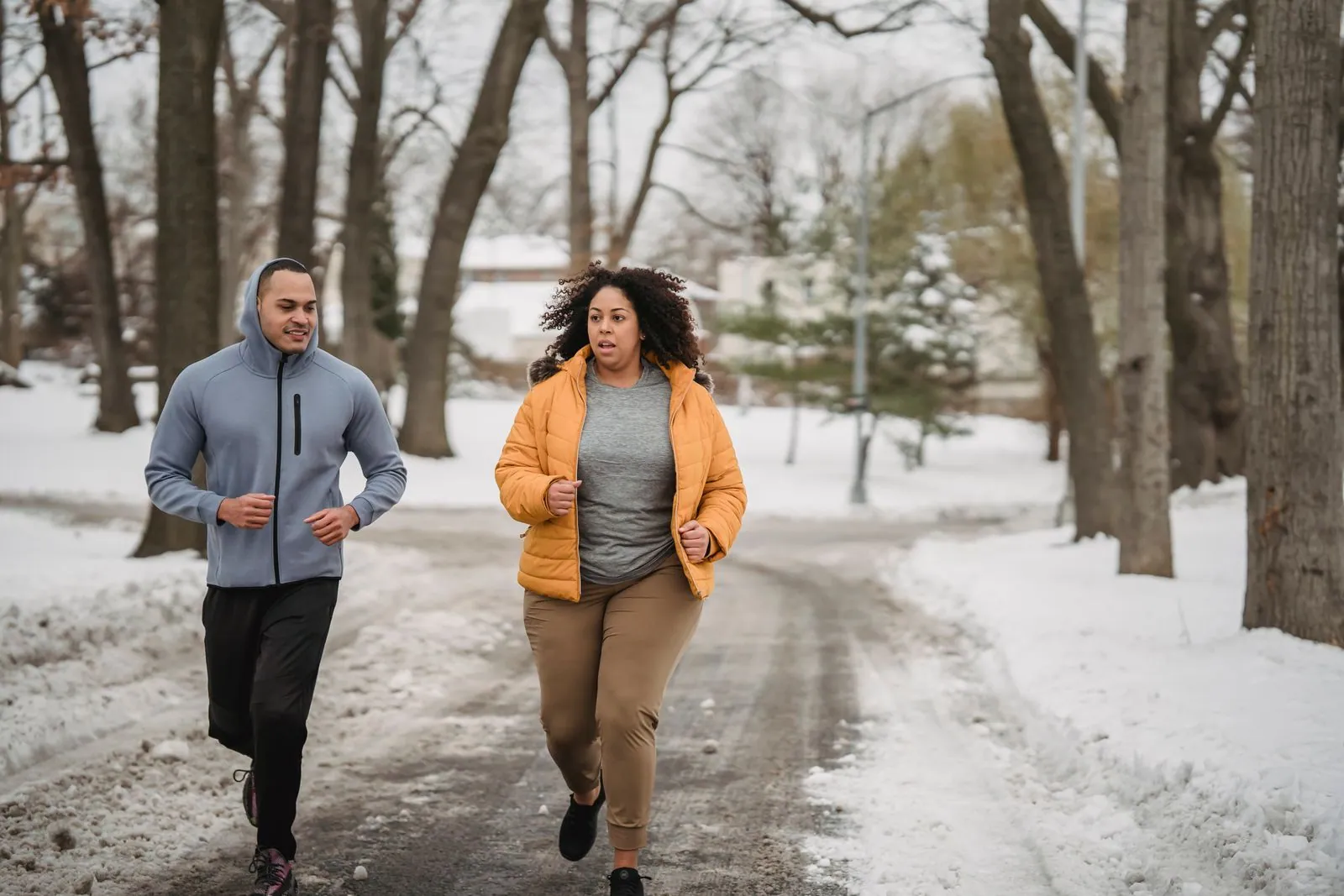
Physical activity is good for your health, improves the efficiency of the cardiovascular system and helps eliminate toxins and produce endorphins: hence the sense of well-being you feel after a good game of volleyball.
Every volleyball player has particular, specific and individual nutritional needs, which depend on age, sex, physical characteristics such as weight and height, and of course on the level at which they play: a simple pastime, amateur matches and leagues, or a professional commitment.
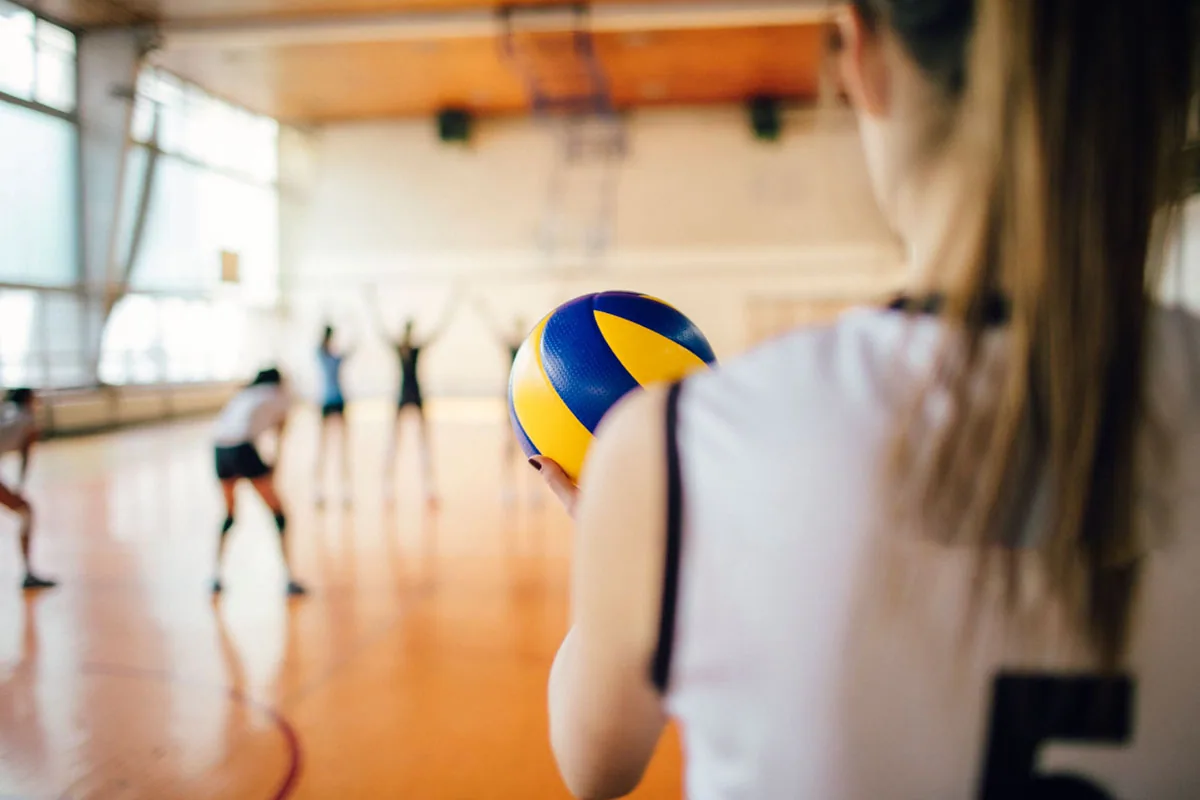
By its nature, volleyball (or beach volleyball when played on sand) is an intermittent sport (with pauses between one play and the next) and, like other team sports, it is considered an alternating aerobic and anaerobic activity, where the effort is mainly made up of sprints, lunges and jumps (with a minimal share of running), of medium intensity (for amateurs, the majority of players), and with a medium energy expenditure (considering the intensity and duration of the effort).
A volleyball player, whether a professional or a casual Sunday player, has individual energy needs that depend on their physiology (lean and fat mass), their basal metabolism and the duration and intensity of training.
TRAINING
Training is perhaps the least glorious and most tiring period, but it is certainly also the most important, because this is where the athlete, their physique and their performance are built. The basic diet depends on the level of training. For quantities you should rely on trial and personal experience, since an exact calculation of expenditure is too individual.
Here is a brief summary of the elements that should always be part of your daily menu:
– enough fluids;
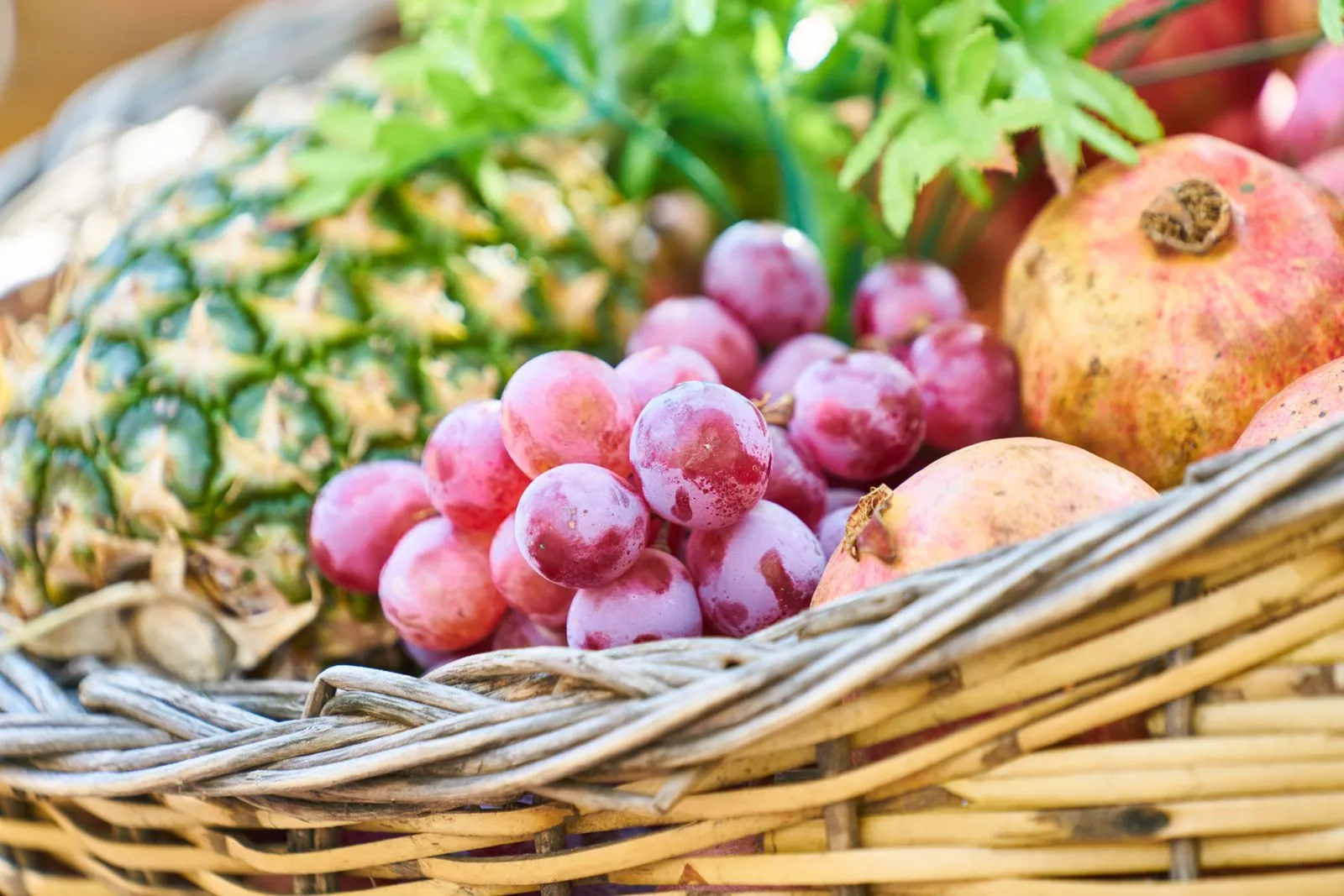
– plenty of fresh fruit, salads and vegetables;
– carbohydrates (cereals, preferably whole grain) in sufficient quantity, according to physical effort;
– animal and/or plant protein in moderate amounts; fish is preferable to meat;
– fats reduced to the essential; oil preferably extra virgin and used raw; – cut down or eliminate alcohol, white sugar and coffee.
BEFORE THE MATCH
Three things are very important: leaving the right amount of time between the meal and the start of the match, and the quantity and type of food eaten.
In general, the rule is that digestion should not be demanding, so as to leave as much energy available as possible. So no complex foods and little protein before the starting whistle.
Don't fast. While fasting can sometimes be healthy, it is harmful before physical effort. So it's best not to let more than four hours pass between your last meal and the start of the match.
– The last meal: If you can keep it light, meaning quick to digest even if energy-rich, the last meal can be eaten an hour and a half to two hours before the match. After that, at most half an hour before, only a piece of fruit or a nonfat yogurt, or a slice of plain whole-grain bread, is allowed, just to calm your stomach if you are nervous or anxious.
What you eat (about three hours before the match) will depend on the time of day and your eating habits.
If the match is in the afternoon there is no doubt: the ideal is a lunch rich in carbohydrates, accompanied by foods rich in vitamins and minerals.
If the match is in the evening, in mid-afternoon have a piece of fruit or a simple dessert (e.g. a fruit tart), plus a nonfat yogurt. It is also ideal to swap the time of lunch with that of the snack.
If the match is in the morning you could still try a plate of pasta (if it appeals to you at that hour), otherwise toast with honey or jam is fine too, preceded by fresh fruit or fruit juice. The ideal would be cereal flake muesli: light, energizing and suited to early-morning hours.
MATCH DAY? THE RULES
– Before starting the activity, your stomach should be almost empty.
– The last main meal should be at least two and a half hours before.
– The last meal should be low in, or free of, elements that take long or are hard to digest, such as fat or animal protein.
– Eat slowly and chew well. Avoid foods that are too hot or too cold. Relax a little after the meal.
– A regular meal can be replaced by several snacks: whole-grain cookies, rusks, nuts, muesli, etc.
– The second-to-last meal is important too. If it is the evening before, never skip a good supply of carbohydrates (pasta, rice) and fiber (raw vegetables). If it is the morning, it should be a generous breakfast.
THE MATCH
If you are following a proper diet and have eaten well, respecting the timing too, there will be no problems during the match. The only thing you will need is water, drunk in small sips and still, which we cover in a separate paragraph. In particularly long efforts it is a good idea to have mineral and vitamin supplements on hand, although they are not essential for a volleyball player who follows a proper diet.
AFTER THE MATCH
After a match we usually tend to forget everything, throwing ourselves at food and drink in a hurry.
Celebrating or simply taking a break and letting go is nice and right. But you can do it while letting your body recover quickly, repairing the small mechanical damage and microtrauma that are the inevitable consequence of a big effort. With a few simple rules:
– Allow yourself a moment of rest before... resting on your laurels. Breathing exercises, stretching or other muscle cool-down activities are ideal for restoring physical and mental balance.
– Drink plenty, even more than thirst asks for. Water is always ideal; fruit juices are great too. No beer: alcohol, besides its harmful effects, considerably slows the digestion of the post-match meal.
– The first meal after the match doesn't need much protein. If you have to recover quickly, prefer carbohydrates.
– Keep the meal easy to digest. Always try to follow the healthy-eating rules you have set for yourself.
– In practice: start with a juice, then move on to a generous mixed raw salad, then treat yourself to your favorite first course, in the amount you like. For the main course, a piece of cheese with cooked vegetables. If you want a dessert, ice cream is great; avoid complicated sweets.