Nutrition and Swimming
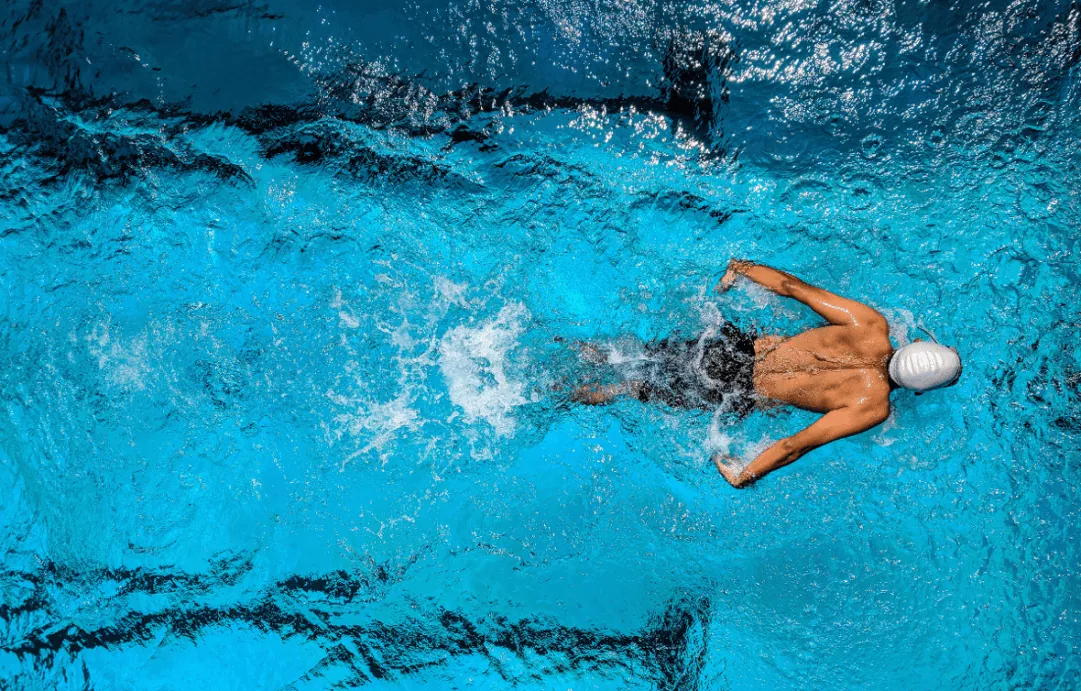
Swimmingis a purely aerobic sport in which the main energy source for athletic performance iscarbohydrates. Of course, a lot also depends on other factors such as the athlete’s general physical condition, age and type of training, but in general a swimmer needs a classic Mediterranean diet that includes a good share of complex carbohydrates, especially whole-grain ones, amounting to 50-60% of daily intake, and a minimal share of fats and protein, as recommended for a healthy person who doesn’t exercise. One essential thing for a swimmer is the timing of meals and the elimination of both alcohol and saturated fats, which are too heavy to “get in the pool” with. In this sense it will be important to draw up a proper eating schedule based on training times!
It is therefore important to eat carbohydrates every day, starting at breakfast and especially at lunch. Sources of carbohydrates are grains in general (which doesn’t mean only pasta or rice!), fruit and vegetables, as well as legumes.
As for theprotein share, the guidelines indicate an amount of about 1.0-1.1 g/kg of body weightin order to repair the muscle damage caused by training and to strengthen and build muscle. In any case, this intake depends on the physical condition of the person playing sport, and on the type and duration of training. Higher amounts, if not needed, only overload the work of the kidneys, which are forced to eliminate through urine the waste substances that result from metabolizing excess protein. High-protein foods are meat and fish, dairy and eggs. Beware, though, of thesaturated fatsfound mainly in red meat and dairy, which make digestion excessively heavy, making it hard to get in the water and reducing athletic performance. Green light for white meat, fish and soft-boiled eggs, while cold cuts and sliced meats that are too rich in salt should also be limited. As a dressing, use extra virgin olive oil or even oilseeds rich in essential fatty acids.
Finally, don’t forgetproper hydration: swimming is a highly dehydrating sport because of the sweating that occurs during performance. Even if it is not as obvious as in any other sport, there is a considerable loss of fluids and minerals. In this sense, hydrating in small amounts throughout the day is essential to avoid drops in athletic performance or, worse, a state of dyshidrosis. To this end, a diet rich in fruit and vegetables is also important for restoring vitamins and minerals. The ideal time to eat fruit is away from meals, as a pre- or post-workout snack.
Of course, apart from the quantities of this or that nutrient, the choices are what matters. It is therefore necessary to select foods according to their higher fiber content for carbohydrates, their biological value for proteins and their omega-3 and omega-6 fat content.