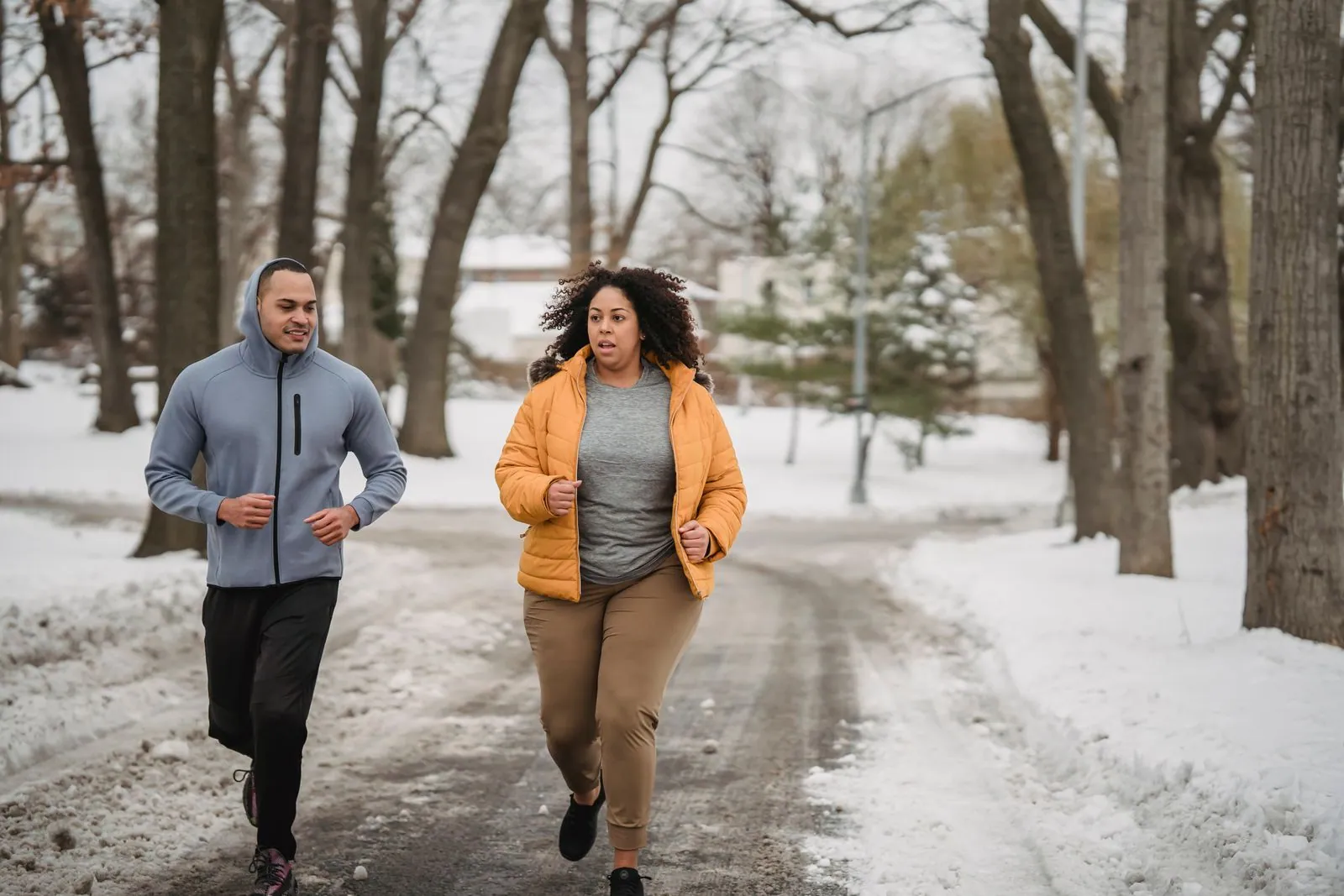
Sleep and Exercise: How Good Sleep Helps You Recover From Training
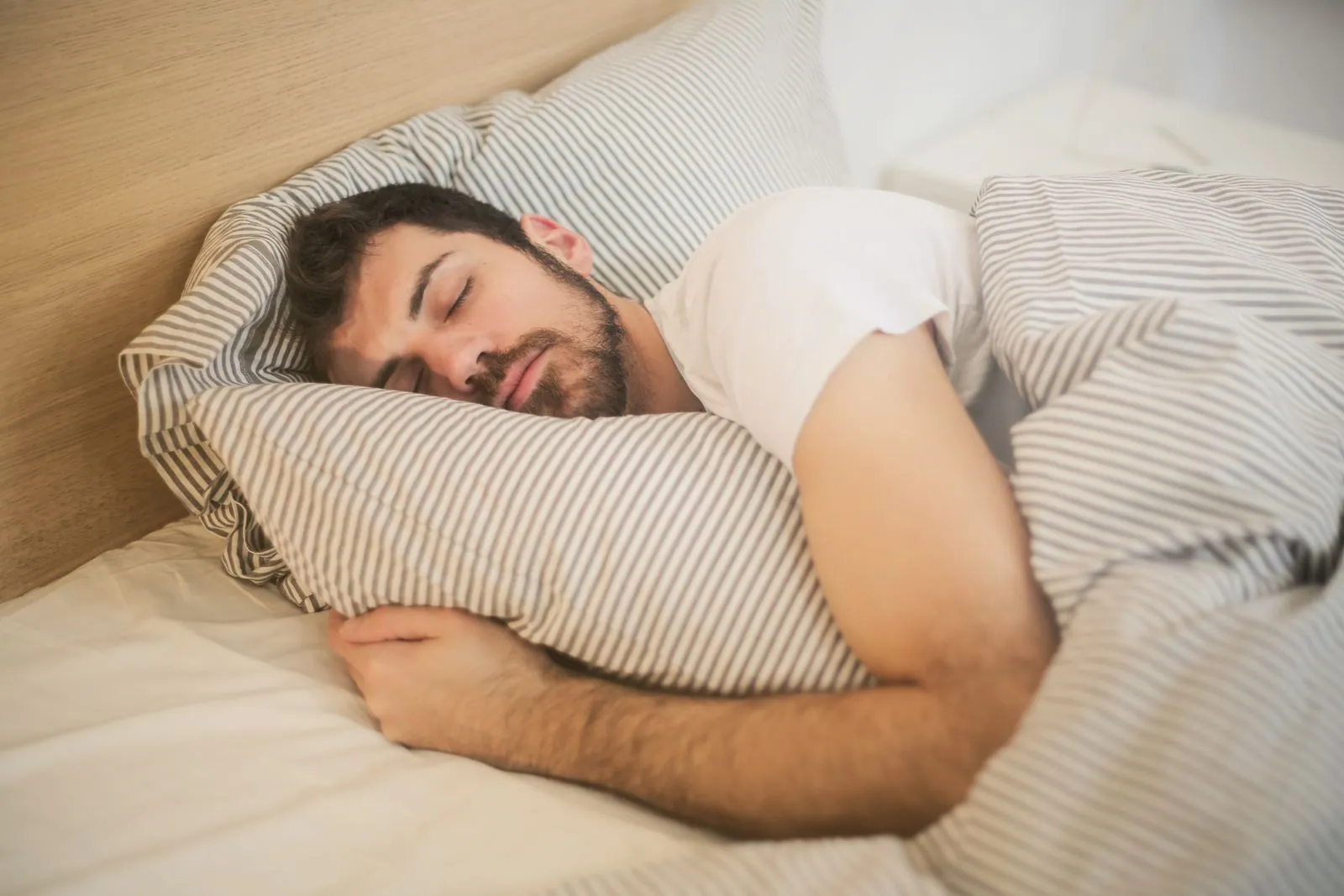
Once the clocks go back, darkness falls earlier, evenings feel longer and many of us move our workouts to after work, often at seven or eight in the evening. Between the gym, dinner and one last scroll through your phone, bedtime keeps slipping later and later. Yet it's during the night that your body actually reaps the rewards of all that hard work.
Sleep is often the weak link in an amateur athlete's routine: we fuss over training plans, shoes and nutrition, then sleep too little and too poorly. Let's look at why good sleep is an essential part of training and which habits help you rest better, especially at this time of year.
Why sleep matters when you train
Training is a stimulus: it tires your muscles, tendons and nervous system. Real progress comes afterward, during recovery, and sleep is the most important part of it. At night, especially during deep sleep, your body releases hormones involved in tissue repair, such as growth hormone, and works to restore balance after exertion.
Good sleep helps your mind too: focus, coordination and reaction time depend heavily on how well you've rested, as anyone who has played a pickup soccer or volleyball game after a near-sleepless night knows. When sleep is short, the same workout also feels harder and motivation drops.
There's a link with nutrition as well: after a bad night, it's more common to feel hungry at odd times and to crave very sweet or very fatty foods. In short, good rest also makes it easier to stick to your meal plan without stress.
How many hours should you sleep?
For adults, the usual recommendation is between 7 and 9 hours of sleep per night. It's a guideline, not a fixed rule: some people feel great on 7 hours, while others need a bit more, especially during periods of intense training. Consistency matters too, meaning going to bed and waking up at roughly the same time, weekends included, and so does quality: continuous, restful sleep is worth more than many broken hours.
A good indicator is how you feel during the day: if you wake up tired, need lots of caffeine to get going or struggle to perform in your workouts, you're probably not getting enough rest.
November, daylight and your body clock
Your sleep-wake rhythm is largely regulated by light. In the fall, days get shorter and we spend more time indoors, with little natural light during the day and plenty of artificial light at night: a combination that can confuse your internal clock.
A few simple tips:
- get some morning light: a walk, commuting on foot or having breakfast near a window helps "wake up" your body;
- when you can, train outdoors during daylight hours, for example on your lunch break or on weekends;
- in the evening, dim the lights at home and cut back on screens during the last hour before bed.
If you can manage to get up earlier, you'll find some ideas in our article on the morning routine.
Training in the evening without ruining your sleep
For many people, evenings are the only free time, and working out is always better than skipping it. Some people, though, have trouble falling asleep after a very intense session. If that sounds like you, try to:
- leave, when possible, a couple of hours between the end of your workout and bedtime;
- save the easier sessions (light running, mobility, technique work) for the evening and move the harder ones to other times of the week;
- always finish with a few minutes of cool-down and some gentle stretching;
- take a lukewarm shower and rehydrate well, without drinking large amounts of water right before bed.
And don't forget that rest also includes days off: we covered this in our article on the importance of breaks and rest days.
At the table: a dinner that supports sleep
What you eat in the evening also affects your night. Going to bed with an overly full stomach, or on the contrary very hungry, makes it harder to sleep well. After an evening workout, dinner is also your recovery meal, so it should be complete but easy to digest:
- a serving of carbohydrates (pasta, rice, bread, potatoes or grains) to restore your energy;
- a source of protein such as fish, eggs, legumes, poultry or dairy;
- seasonal vegetables and a drizzle of raw extra virgin olive oil;
- simple cooking methods, avoiding fried food and very elaborate or spicy dishes.
Drinks deserve a little extra attention: coffee, tea and caffeinated soft drinks late in the afternoon can disturb sleep in more sensitive people, because their effect lasts several hours. Alcohol, even if it may make you feel drowsy, makes your sleep lighter and more fragmented.
Sample dinner after an evening workout: pumpkin risotto, baked cod fillet, fennel au gratin and a piece of fruit. If your workout ends late and you've already had dinner, a small snack may be enough, such as plain yogurt with a spoonful of oats or a mug of warm milk with a few plain cookies.
Your evening routine in 6 steps
- Regular hours: go to bed and wake up at similar times every day.
- A cool, dark, quiet bedroom, with a comfortable bed.
- Screens away for the last half hour or hour: a book or some music is a better choice.
- Time to unwind: a few deep breaths, light stretching or a caffeine-free herbal tea.
- No large meals in the two hours before bed.
- Keep naps short: if you need one, take it in the early afternoon and keep it to 20-30 minutes, so it doesn't steal sleep from your night.
If your sleep problems have lasted for weeks, or you often wake up tired despite many hours in bed, talk to your doctor: sleep is a matter of health, not just performance.
The bottom line
Training, nutrition and sleep are three pillars that work together: if one is missing, the other two deliver less. During these weeks of short days, taking care of your rest means seeking out daylight, planning evening workouts sensibly and putting a balanced dinner on the table. And if you want to figure out how to build meals that fit your training schedule, Eathlon can help with a meal plan personalized to the sport you play.