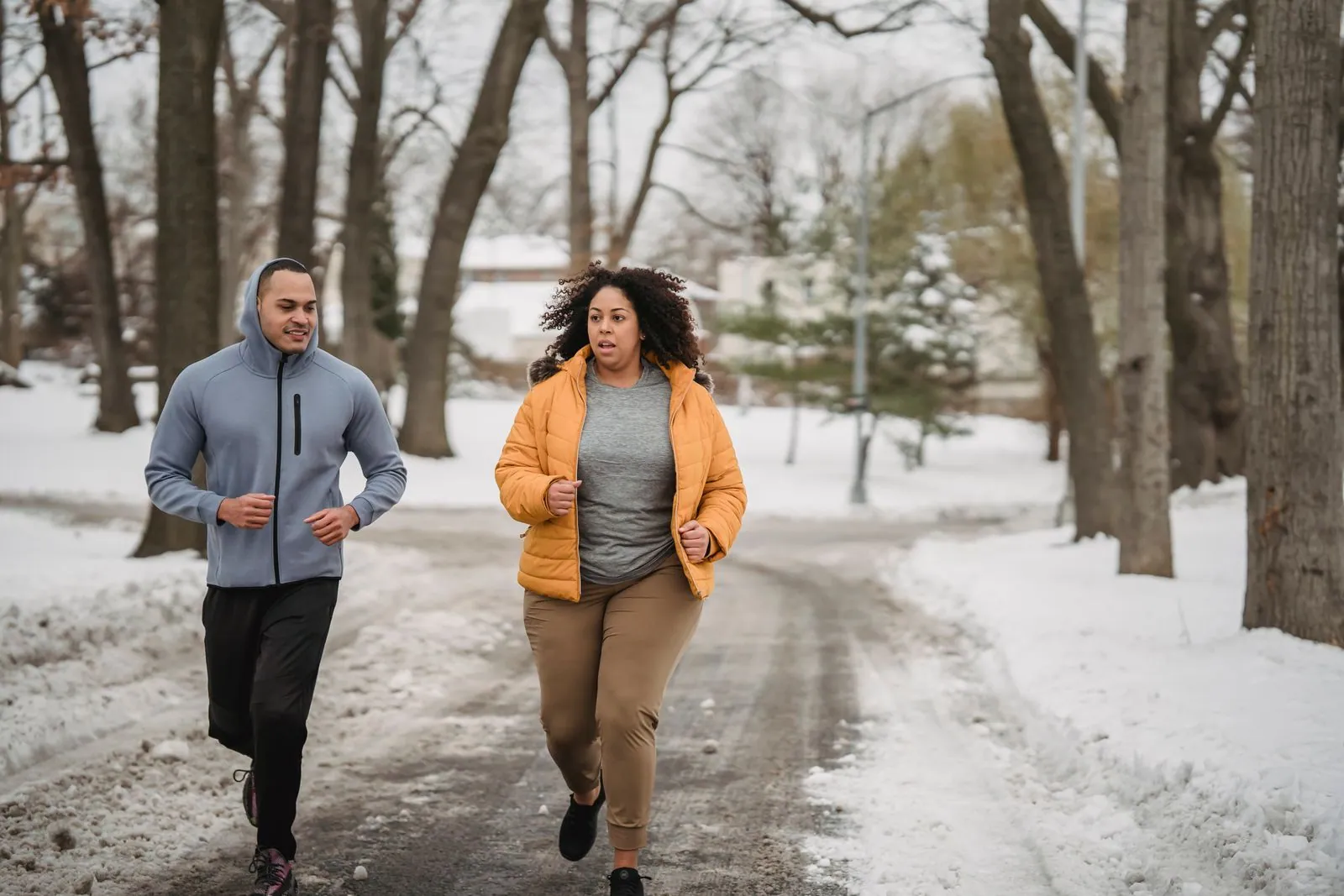
4-Drill Circuit for Jogging and Running
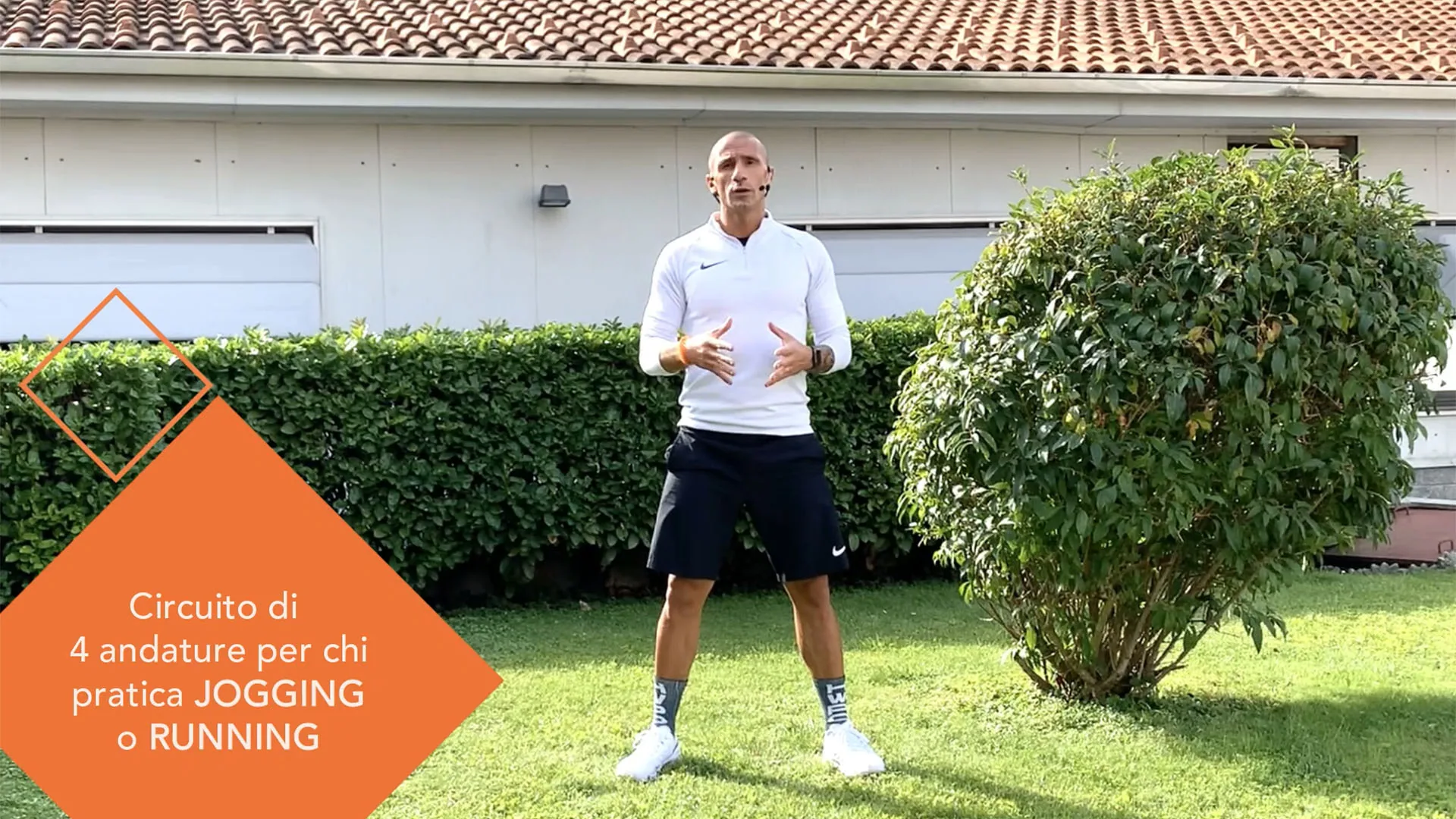
Today we are looking at a workout suited to anyone who loves physical activity based on jogging and running.
These two practices, which may look similar to many people, are actually not exactly the same thing.
They can certainly bring great benefits to our body and, if we are the couch-potato type, we can pick one of them to get moving.
JOGGING
By this term we mean a type of physical activity that consists of running at a very slow pace. It is generally done outdoors but can also be done indoors in a gym on a treadmill. In fact, setting aside the purely athletic and physical side for a moment, this practice was born as a form of socializing: after all, jogging began precisely as a group sport.
By jogging regularly, you get an overall improvement in your physical condition, increasing the efficiency of the cardiovascular and respiratory systems; in addition, leg function also improves considerably. On top of that, jogging brings noticeable benefits when it comes to weight loss. In fact, although it is not an activity with particularly high calorie consumption, if the activity is intense and long enough it ensures a fair increase in fat burning.
RUNNING
Running, like jogging, is a physical activity that can be done both outdoors and indoors, thanks to the well-known treadmill. Since the days of ancient Greece, running has been considered a useful exercise for refreshing the mind, one that can be practiced anytime and anywhere.
Centuries have passed, yet the defining feature of running has stayed the same: running always, whatever the weather, to feel free and clear your mind.
Running is a sport that people get passionate about. Those who practice it don’t care about the temperature: the scorching heat of summer or the freezing cold will not stop a passionate runner.
Today we will go through a four-drill circuit together, useful both for joggers and for running lovers. The goal? Improving performance by increasing coordination and proprioceptive ability.
The first two drills: toe walk and heel walk
We will do both drills over a stretch at least 50 meters long, walking back to the starting point.
The forefoot walk is done, as the name says, by placing only the tips of the feet on the ground.
For correct posture, we can put our hands behind the head and keep the chest open.
The heel walk works the opposite way: we have dorsiflexion of the foot, so the tips of the feet are lifted off the ground. As before, hands behind the head and chest out.
We can repeat each drill four or five times.
Download Eathlon®, the first 7 days are free
Let’s now remember how important it is to choose the right nutrients in our diet.
For example, pasta is a cornerstone of the Mediterranean Diet. The starches it contains are the best possible source of energy, and its plant proteins pair perfectly with the proteins found in legumes.
A dish of pasta and beans is a complete one-dish meal that, given the breadth of its protein spectrum, is comparable to a serving of meat or fish.
Second part: high knees and butt kicks
These two drills are slightly more intense than the previous ones because the flight phase will raise your heart rate. In any case, you need to concentrate on how your foot lands.
High knees means running with the knees raised, with the leg forming a 90-degree angle.
It should be performed moving forward for about 50 meters with maximum frequency and coordination. The arms work in sync with the legs.
With butt kicks, we bring the heels toward the glutes, working the arms well and bringing the thigh perpendicular to the ground for the maximum training effect.
Finally, let’s remember how important it is to pair physical activity with a balanced diet.
Eathlon® completely personalizes your nutrition based on your tastes and lifestyle.
For any questions, download the app on your smartphone or visit the website www.eathlon.it for information on articles and videos.