Citrus Fruits
LEMON: the best-known component of the lemon is certainly vitamin C, but the percentage of water and citric acid is also notable, against a low sugar content, which makes it one of the lowest-calorie fruits. With one of the most powerful natural antiseptic and bactericidal effects, thanks to its acidity the lemon proves effective against nausea caused by low or high stomach acidity, as long as it is taken in drops or as a slice dusted with sugar. Suitable for stopping dysentery caused by an increased bacterial load, it acts above all as a laxative, especially if taken in the morning on an empty stomach. Lemon contains all the minerals and all the vitamins found in nature, and therefore water and lemon is the most complete supplement for any sport!
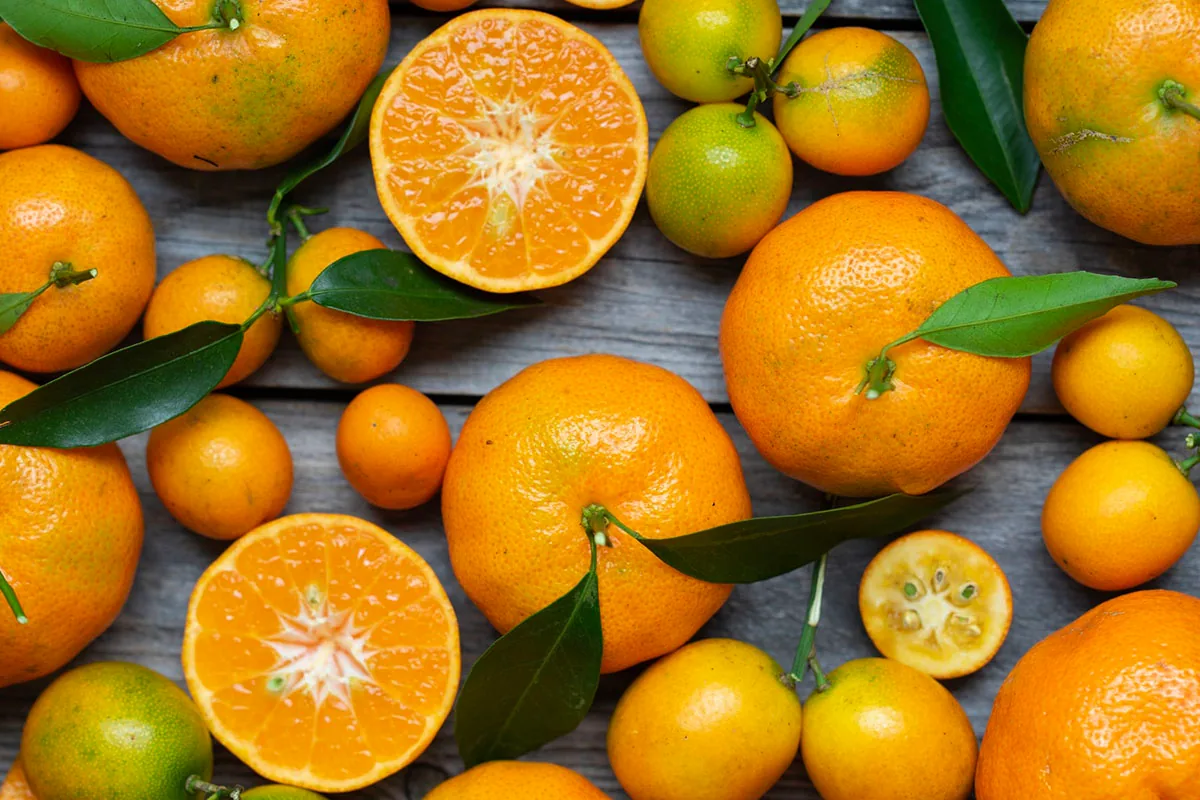
ORANGE: is a fruit that contains a considerable amount of fructose, as well as electrolytes and minerals such as calcium, chlorine, iron, magnesium and potassium, which make it useful in electrolyte imbalances, for example in many heart conditions, after the improper use of some diuretic drugs and after very intense sports activity. Thanks to its good amount of vitamins C and A, and the presence of flavones, carotenes and, in the red varieties, also anthocyanins, the orange helps support the body’s natural defenses in the presence of flu syndromes or illnesses caused by chills, and can also be used in the prevention of premature aging processes.
CLEMENTINES: are characterized by their diuretic and blood-thinning action, thanks to active compounds such as nobiletin, a flavonoid that has proven very active in preventing thrombosis, and other flavonoids, such as tangeretin and sinensetin, which have an antihemorrhagic action by protecting the lining of the capillaries. These substances have an anticancer effect, but also a blood-thinning one, acting directly on the blood tissue. Compared with mandarins, clementines are more diuretic, being completely free of sodium; they can also be used more easily by diabetic people, both because of their lower percentage of total carbohydrates and because they convey a different energy signal, which results in lower bioavailability of their sugar content.
MANDARINS: are considered diuretic fruits, able to stimulate the thyroid thanks to their iodine content, but also sedatives for the nervous system and useful against insomnia because of their bromides and potassium. They are considered very useful after intense evening training sessions. The flavonoids and flavones they contain, acting synergistically with vitamin C, have an antihemorrhagic action. In cardiovascular conditions, the diuretic action of mandarins will lower blood pressure values, while adenosine, by thinning the blood, will counteract the tendency to thrombosis. Thanks to their muscle-relaxing and sedative action, but also their activation of the metabolism, mandarins are suitable for stimulating the thyroid even at the evening meal, in hypothyroid people, those retaining fluids or on a weight-loss diet, without the risk of increased neurological excitability and possible sleep disturbances.